The Killer

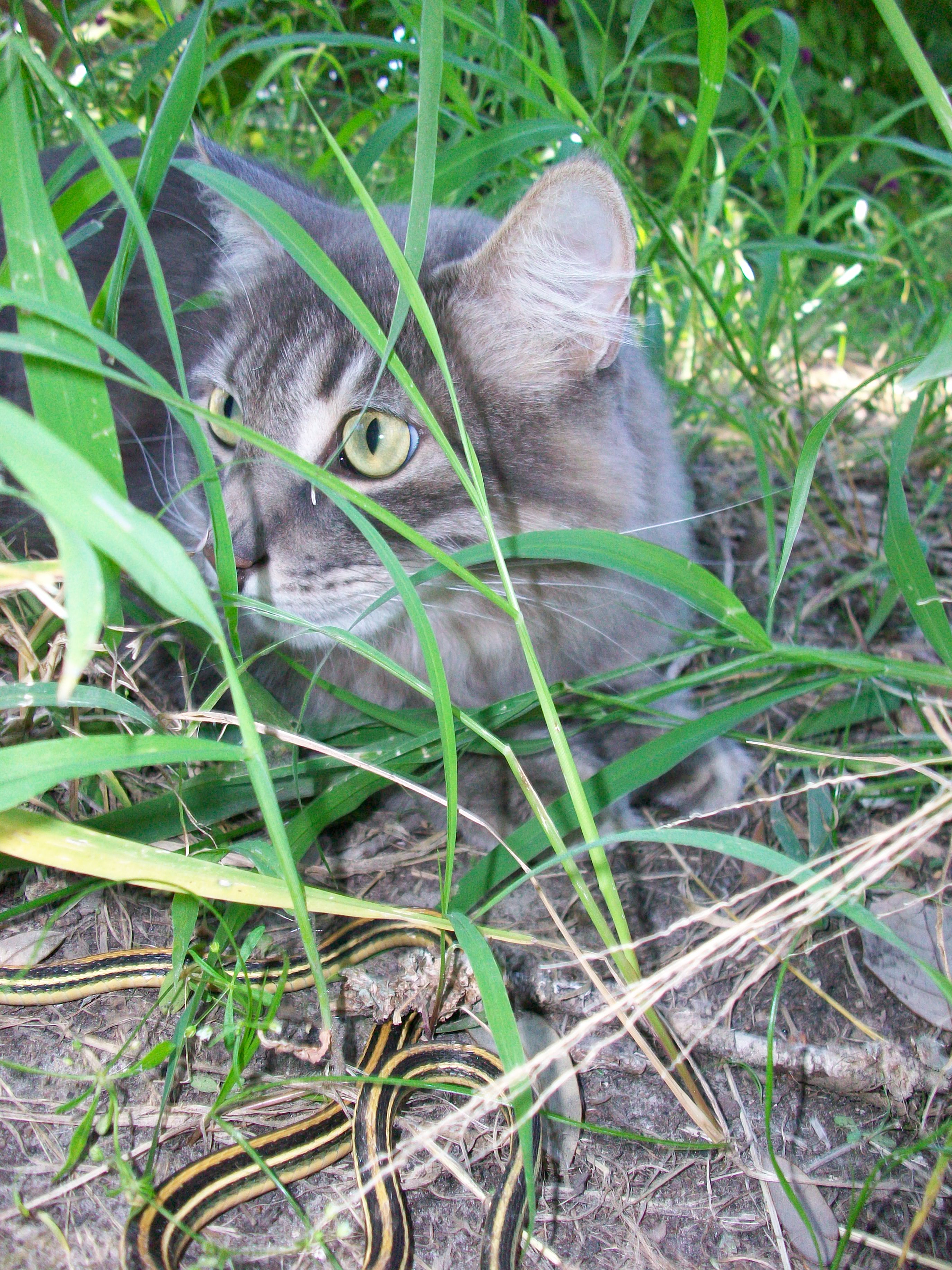
My cat is a killer.

He is sleek and stealthy and cunning from hard-earned meals of lizard, rat, snake, and field mouse.  I have a new dog and I’m pretty sure the cat is going to kill the dog. 

I didn’t name him The Killer because he is a killer.  I named him The Killer because I had just played a show with Jerry Lee Lewis. 

My Aunt Lou brought over a skinny gray rescue cat on a Sunday afternoon.  “Where the hell have you been all weekend?” she said.

“I was playing a show with The Killer,” I said.

“The Killer?  You better quit running around with your guitar friends and get your little butt to church!” she said.  “Here, take this damn cat.”

I love the cat.  I love animals that are good at their job. 

For an animal to be truly happy, it must be allowed to express its innate instinctual desire.  All animals have a passion, a calling, to do something—it is the core of their nature.  Chickens want to scratch in the field; pigs want to root in the forest.  Successful animals are allowed to fulfill their instinctual desire to the highest level. 

My cat’s desire is to kill.  Did I mention hummingbirds?  My farm was a host home for the Rockport Hummingbird Festival this year.  I have several large gardens of beautiful flowering native plants.  My gardens were overwhelmed with hummingbirds.

The ladies of the Rockport Hummingbird Association came out to inspect my property before the festival.  They were thrilled with my gardens and the swarms of hummingbirds like sparks among the flowers. 

Suddenly my cat leaped out of a flame acanthus, about four feet into the air, and caught a hummingbird on the ascent.  He ate it in four bites.  Then the cat dove into a pride of Barbados flower and body-slammed another bird.

“Oh my!  Your cat is eating all the poor hummingbirds!” the president of the Hummingbird Association said.

“No ma’am, there are still a lot of hummingbirds left,” I said.  A bottlebrush with long red flowers shook violently two or three times.  “Would you ladies like to come back inside?  I can make us some toast?”

Later, as the Hummingbird Association trooped out to their mini-van, The Killer was lying on his back next to the garden.  He had a huge distended belly and a hummingbird in his front claws.  I don’t think I have a shot at the festival next year.

Jerry Lee Lewis, The Killer

Back to Jerry Lee Lewis.  The booking agent from Austin called and said, “Hey, do you guys want to open for Jerry Lee Lewis?”  All I could think is:  Is Jerry Lee Lewis still alive?

Yes, he is very much alive.  We warmed up the crowd for Jerry Lee and I was amazed at how many people were there.  While we were playing, I recognized several famous musicians in the audience who were watching us and waiting for Jerry Lee Lewis.

Jerry Lee uses a walker.  He shuffled on his walker from the tour bus up to the edge of the stage.  Then he dramatically kicked away the walker and crossed the stage on his own.  It took him almost two minutes to get to the piano.  The audience cheered him the whole way.

He sat down and pulled the microphone to his face and said, “They call me The Killer!” and started pounding on the piano keys.  He played the most rocking show you’ve ever seen.  The crowd was wild.  This guy is 74 years old and when the music started he lit the place up with energy.  It was an absolute joy to watch a master doing what he was born to do.

I got home the next day and Aunt Lou gave me a scrappy gray cat with green eyes.  I named my cat The Killer and I wish him a long and happy life doing what he does best.
Bullet Hole Stickers

Next in Line at the Pig Auction

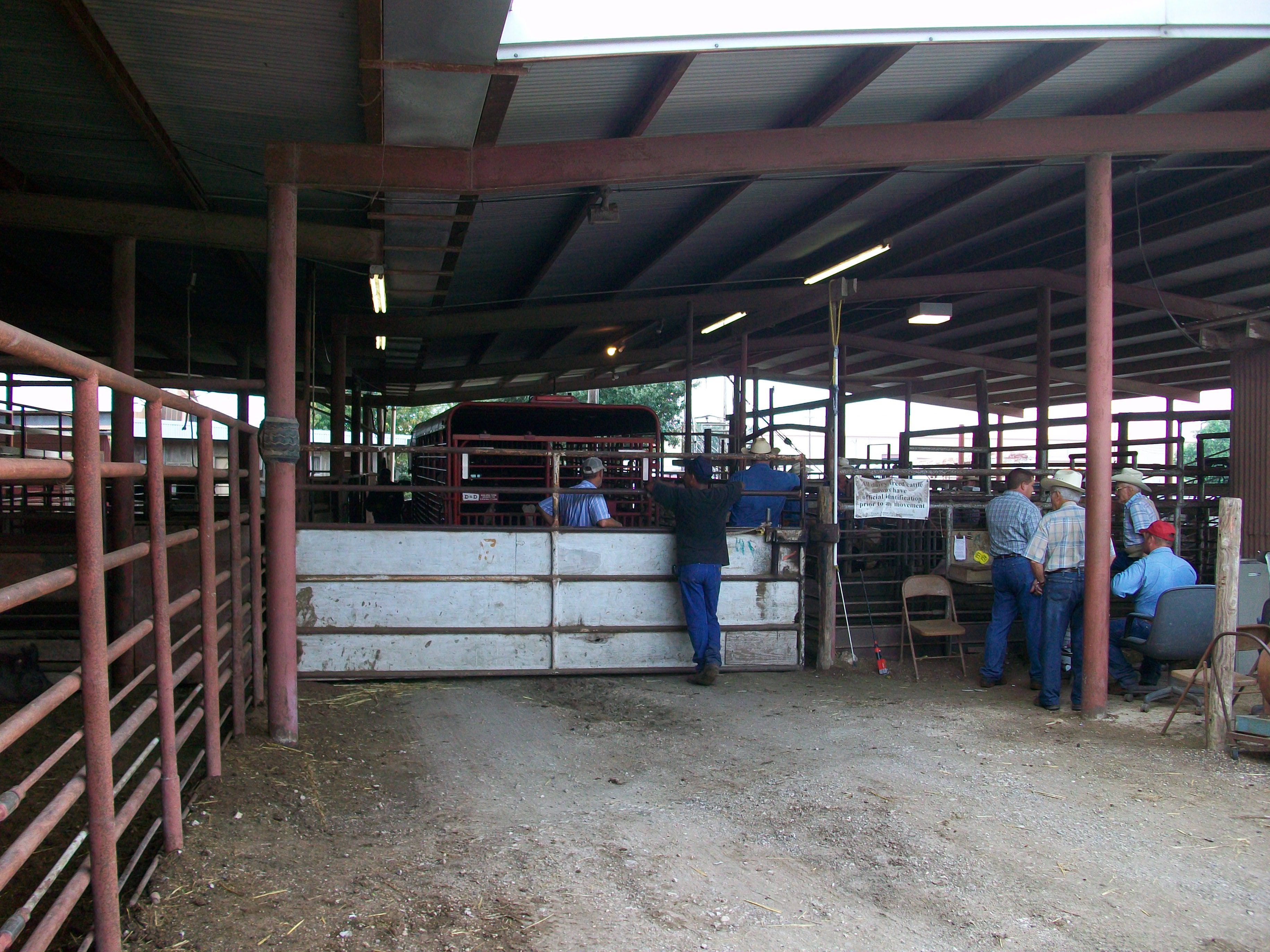
A man at the auction barn was unloading pigs out of my trailer.  It is a blue horse trailer, but I use it to deliver pigs.  The man said, “They sure gave you hell driving away.”

“What?  Who did? ” I said.

“Whoever you stole these pigs from,” he said.  He pointed at the bullet holes in the back of my trailer and laughed.

“Just unload the pigs, buddy.  Thanks.”

My trailer is full of bullet holes because of the bobcats.  For a while, I had a problem with bobcats eating my chickens.  They took a lot of chickens.  I think they were filling up a deep-freezer in their bobcat den and barbequing chickens on Sunday.

I locked up the chickens in my blue horse trailer and wired fencing material around every opening.  This was only a temporary measure, until I could figure out how to capture and relocate the bobcats.

I did not want to kill the bobcats.  I have the right, ethically and legally, to assassinate any bobcats who are eating my chickens.  Most farmers would shoot them on sight.

But I don’t want to kill bobcats, or alligators, or coyotes, or raccoons, or hawks, or any of the predators who eat the majority of my chickens.  I love all my animals, domestic and wild, predator and prey.  My job is to make it difficult or impossible for predators to eat my chickens, or to safely remove the predators.  That way, everyone is happy and nobody gets killed.  Well, the chickens get killed by all of us, but they are stupid; and delicious.

Anyway, I had to go out of town, and I asked Dad to keep an eye on the chickens.  I told him, “DO NOT shoot the bobcats.  When I get back, I’ll figure out how to capture and relocate them, alive”.  Dad said okay, not to worry.

I got back from out of town, and the blue trailer was full of bullet holes.  “What the heck, Dad!  I said NOT to kill the bobcats!”

“You said not to kill them.  I didn’t kill them.  But you didn’t say not to scare the crap out of them,” he said.  When the bobcats were trying to tear off the fencing to get inside to the chickens, Dad shot up the trailer with a Desert Eagle .357 magnum that I had given him for Father’s Day.

The Desert Eagle seemed to work.  The bobcats quit hanging around my chicken trailer.  I’m sure they gave Dad the middle claw, if you know what I’m saying, on their way out of town.

The point is, if you know any little gang-banger wannabe punks who drive around Rockport with bullet hole stickers on their cars, send them to my farm.  We put real bullet holes in vehicles around here.  That ought to straighten them up.

Okra is Not a Four-Letter-Word

017_20

I never liked okra, and that’s not my fault.  I had only ever eaten it slimy, deep-fried, and wrapped in a wad of corn meal.

However, my opinion of okra improved greatly when I learned to roast it in the open fire; to sauté it with onions at altitude; to spice the okra with some foreign four-letter-words.

A Vegetarian Trek

My distaste for okra surfaced on a mountain climbing trip in the Himalayas.  In a small village on the Beas River of India, I hired a guide and porters and horses for an expedition through the Rohtang pass to Ladakh.

As the crew prepared for the trip, I drank tea on a balcony facing the immense wave of mountains we were about to ascend.  The weather shifted on the crest of peaks from sunny white clouds to mist to black storm.

I had long dreamed of exploring those forbidding mountains.  I had a burning curiosity to know how food is grown in such impossibly harsh conditions.  It was difficult to imagine that humans could survive, much less cultivate, the brutal terrain rising in front of me into the clouds.

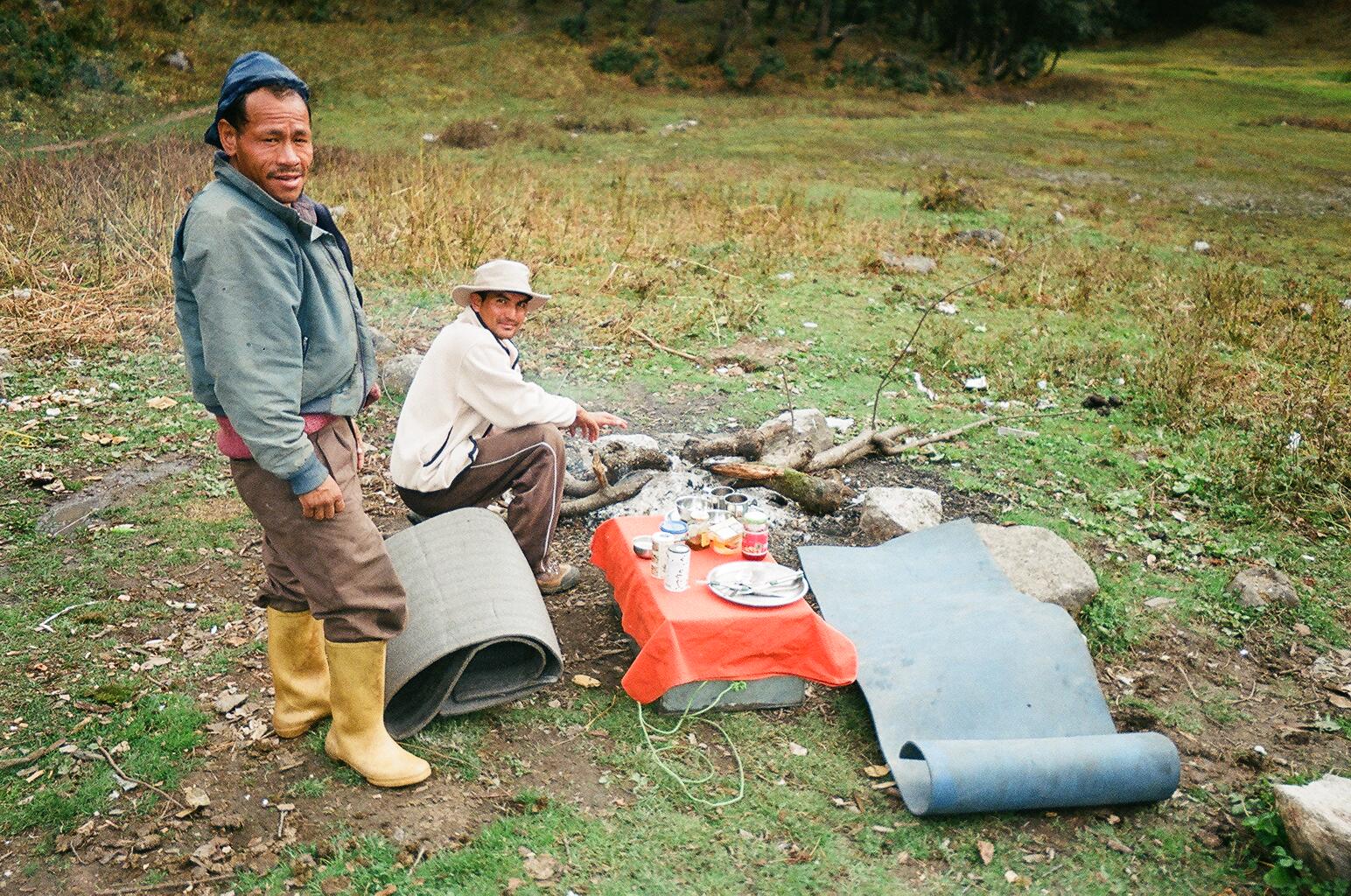
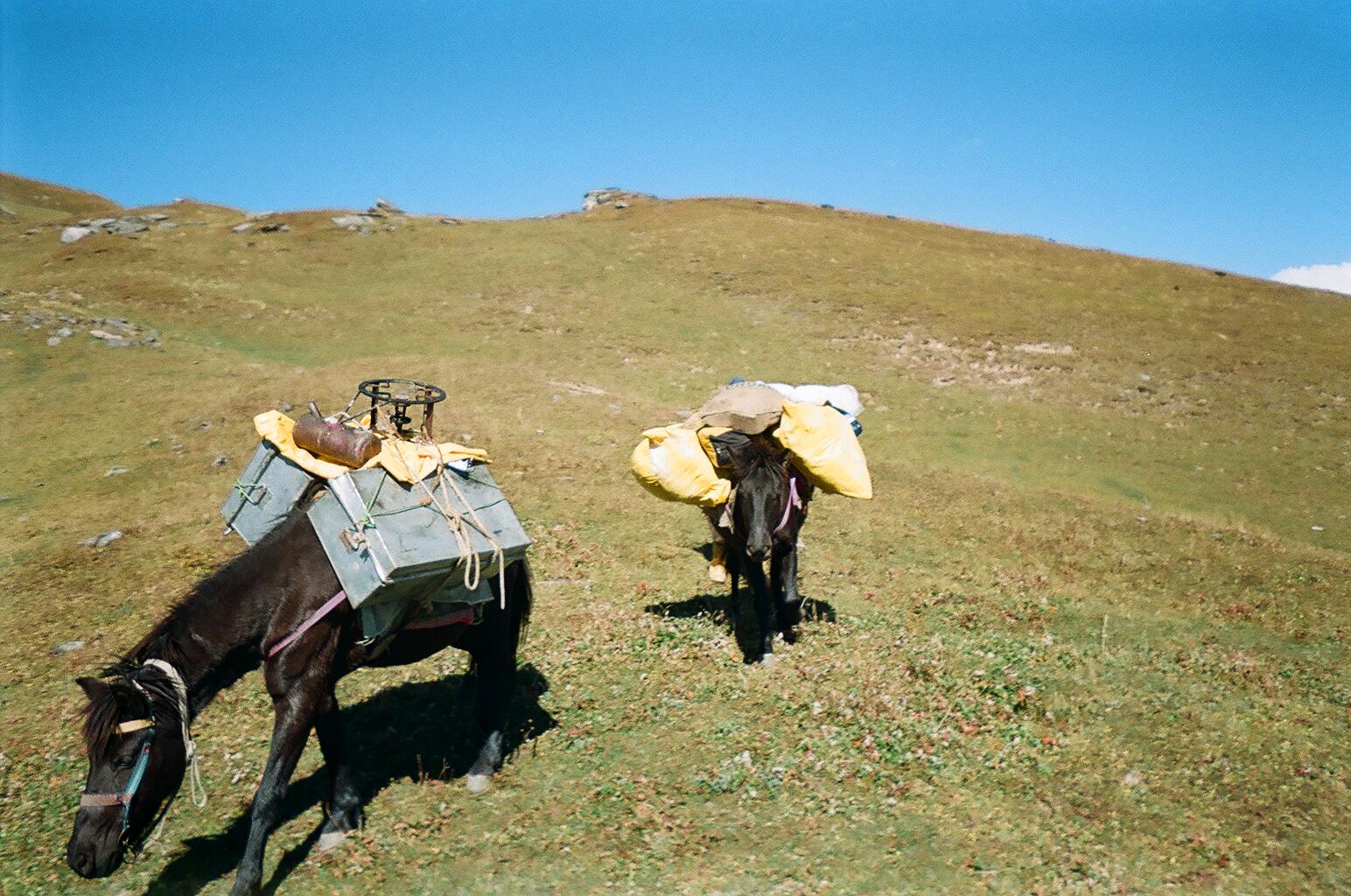
Our plan was to pack a few days of food and re-supply at farms along the way.  It was to be, out of cultural necessity, a vegetarian trek.  The porters loaded our supplies into burlap bags and metal chests and balanced the loads on two small black horses and tied it all down.  The guide waved to me and I followed them out of the village into a steep vertical climb.

Because We Have Much, My Friend!

On the first evening, when the porter opened a chest to prepare dinner, I saw a lot of okra.  There were onions and peppers and spices in the kit, but mainly there was okra.

The guide was soft-spoken and articulate.  He carried the novel Le Morte d’Arthur in his pack and sat to read every moment his work allowed.  I held an okra pod in the air and asked him why there was so much.  He looked up from his book and said, “Because we have much, my friend!”

The Local Food Movement

This answer is the expression of a good harvest in a farming culture.  In this remote land, all food is local.  When a crop ripens, there is suddenly very much of it.  Okra ripens with a vengeance.   We had chests full of okra in our camp because the green fields along the river far below were full of okra.

In America, there is an increasingly popular “local food” movement–people who strive to eat seasonal produce from sustainable local farms.  They are called locavores.

In the farming cultures of developing countries, and especially in the villages of the upper Himalayas, folks are locavores of necessity.  They don’t have continual access to a perpetually ripe and unlimited diversity of vegetables from around the world.  The menu is the daily harvest as each crop comes ripe.

A High-Level Cooking Class

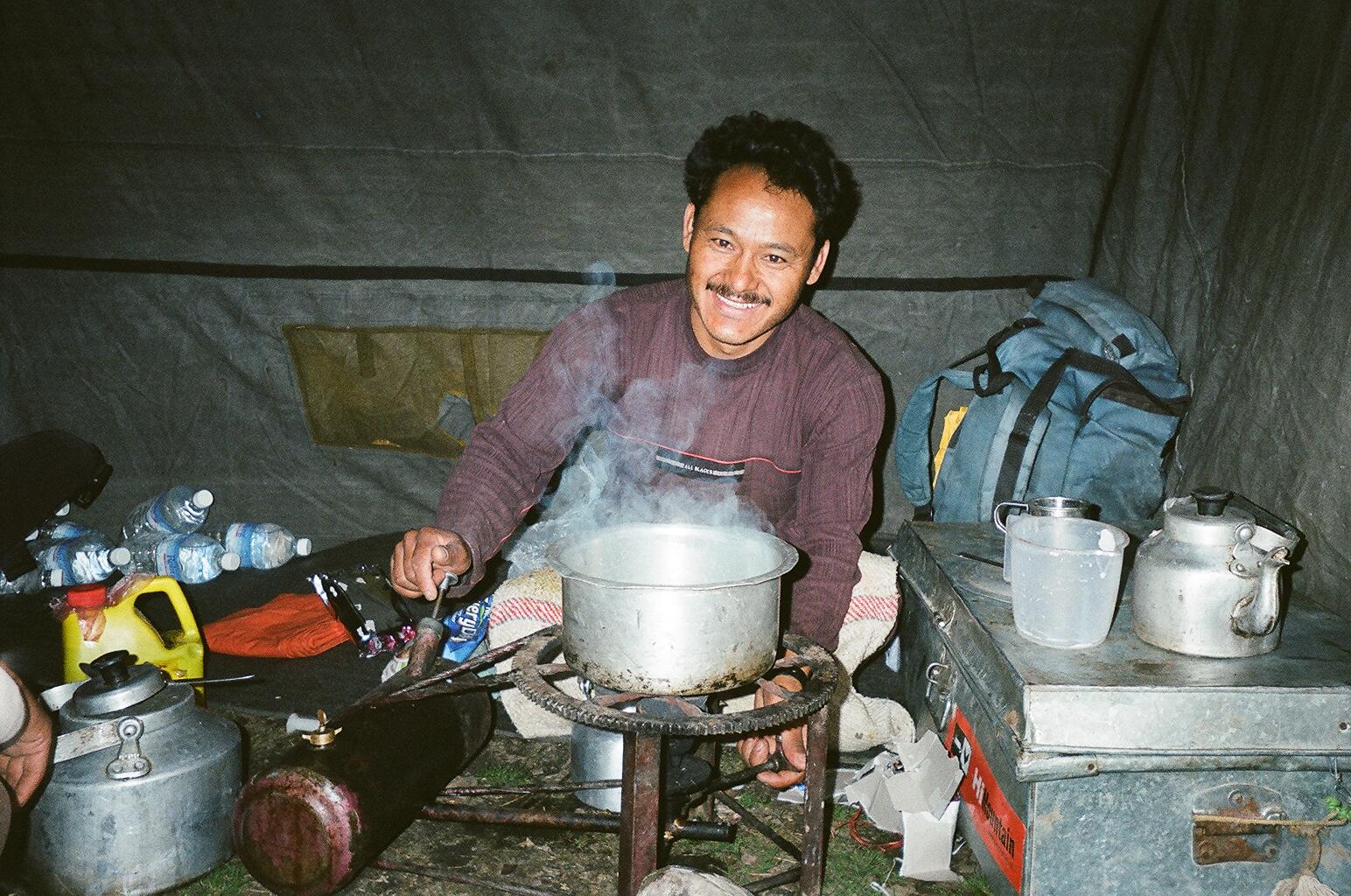
At dinner, I received my first lesson in cooking okra.  Our camp cook was a culinary phenomenon.  His only tools were a small knife, a brace of spices, tin plates, and a diesel camp stove.  As a fierce wind howled around the tent, he prepared a dish of sautéed okra and onions and peppers and spices so good that I nearly wept into my tin plate.

After climbing all day in the wind and storm and sun, clinging to the footholds of some perilous cliff-face, shuffling awkwardly along a narrow path at the edge of an abyss, struggling to the top of a vertical rise only to find yet another ragged peak looming above, straining every muscle of man and horse over rocky impediments of the thrilling landscape, standing awestruck at the views from the tallest ladder of land in the world, lungs burning and body slowly numbing with weariness and cold; we were all very hungry.

The cook prepared okra in a different way at each meal.  A trick to keeping the harvest interesting is to employ multiple unique recipes for each crop.

One night the cook brushed the okra with oil and spices and threw it into the camp fire.  When he carefully pulled it back out, it was a vegetable masterpiece.  I leaned into the glow of the fire and ate one of the best meals of my life, roasted okra of all things, under the brilliant flickering Himalayan stars.

Teaching “Okra”

The Hindi word for okra is bhindi, which translates to ‘lady fingers’.  The guide would say, “Eat the delicious lady fingers!”  They loved okra.

I taught the porters to say “okra”.  They had never heard the English word okra.  They thought it was hysterical and practiced the word with much laughter.  When something unlucky happened, or a dark cloud rolled across the mountain, or a horse lost his footing, they would point and say, “Okra!”

Go Left! and Go Right!

One of the porters wore his pants tucked into rubber boots twice the size of his feet.  He weighed about 90 pounds, but could probably carry both horses fully loaded up the mountain.  All day he talked to the horses in Hindi.

I began to recognize several of his expressions from repetition and a certain sharp tone of voice.  I asked the guide what the porter was saying.  He hesitated and then said, “He is telling the horse where to go…such as, ‘go left’ and ‘go right’.”  The guide said something to the porters in Hindi, and they all laughed.

I asked him to teach me these commands.  Since I taught them “okra”, they agreed to teach me some good words in their language.  As we ate supper by the fire each night, I learned a small vocabulary of Hindi.

Unfortunately, the words they taught me did not mean “go left” and “go right” and so on.  They were the filthiest curse words in the Hindi language.  Later, when I got down from the mountains and practiced my “go left” and “go right” on the rickshaw drivers of India, I found out just how foul these commands were.

The porters must have thought okra was a four-letter-word.  So they taught me some Hindi four-letter-words as a practical joke.

As we climbed to the roof of the world, we depleted our store of food.  It was too cold for okra in the terraced gardens of our new altitude.  We were a band of roving locavores, so we purchased new and rare and wonderful vegetables from the farms we passed on the cloudy cold heights of India.  But I must tell about those vegetables another time.

Lady Fingers in Rockport

Now is the time for okra at your local farm.  We have much okra, my friend.

Prepared correctly, okra is a tasty dish—and very healthy.  Okra is rich in vitamin A and C, folic acid, and dietary fiber, as well as iron, calcium, and magnesium.  These vitamins and minerals are essential to the body in the heat of summer, when okra is in season.  Nature gives us exactly what we need, when we need it.  Local food works.

You can find cooking gems to grace your lady fingers under “Recipes” at fourstringfarm.com.  Look for bhindi with onions and peppers and spices, fire roasted okra, and frittata featuring okra.  If these recipes are not incredibly delicious, call me and we’ll figure out what went wrong.

Or, I will teach you to say “go left” and “go right” in Hindi.  When you serve okra, add that touch of spice to the dish.  But remember, okra is not a four-letter-word.

The Champion of Breakfast

Who is the hero of your morning?      

Who says, “Rise and Shine!” and tells you to sit at the table?  Who rattles pans on the stove until the kitchen smells like love?  Who comes to the table with a frying pan and spatula and scoops deliciousness onto your plate?  Who is the hero of your morning?  Who is the champion of your breakfast?  

Let the champion be YOU!  

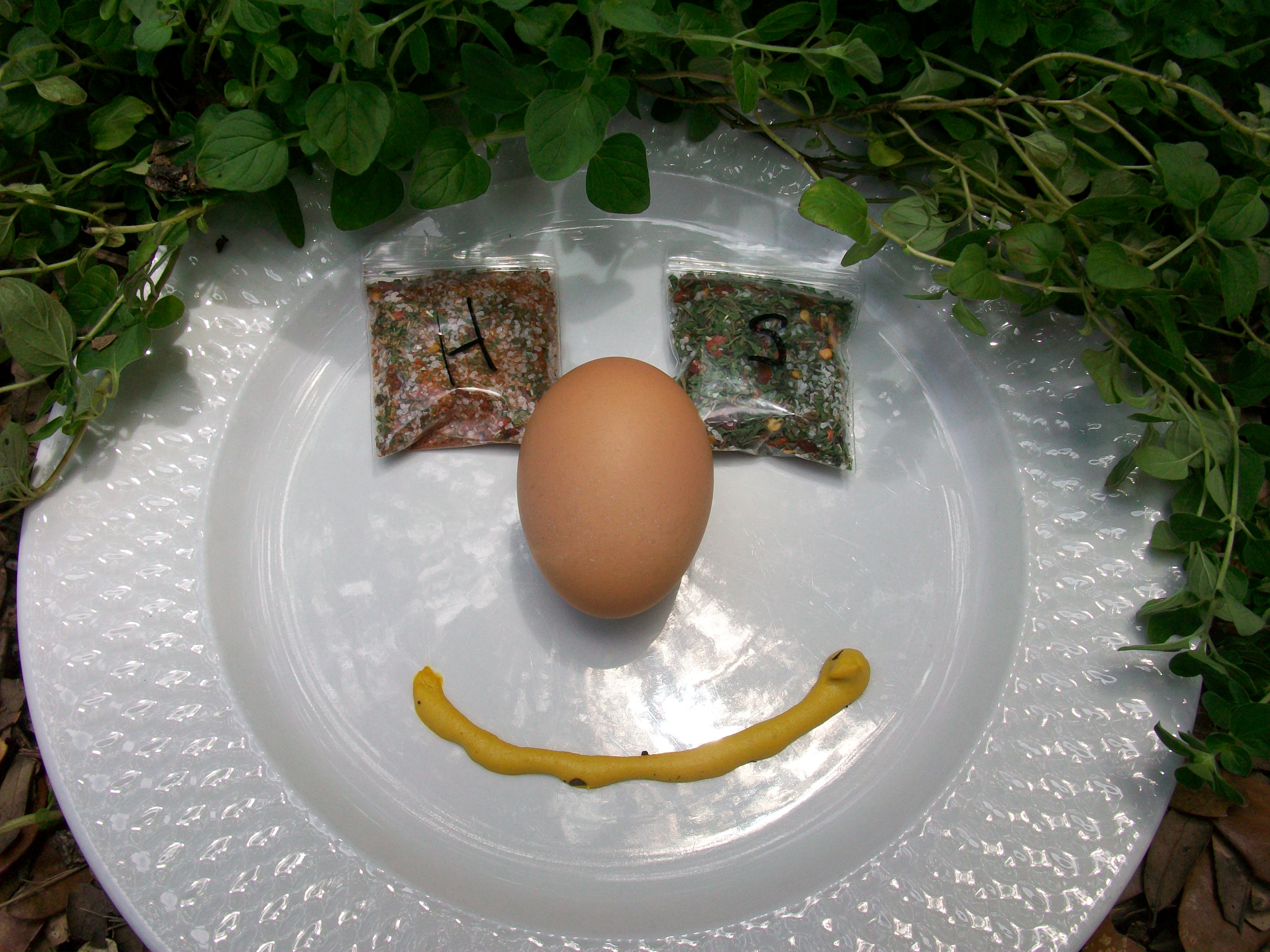
For a limited time only, buy a dozen eggs and a pound of ground pork for only $7.00!  Included in this combo is a packet of homemade “sage” or “hot” breakfast sausage seasoning.  

This breakfast is easy on the pocketbook, and easy to prepare.  Simply pour the contents of the homemade seasoning packet onto the ground pork, and mix together well.  Form the pork into patties and fry until crisply browned.  Scramble, fry, or poach eggs as you desire.  

This combo deal for only $7.00 is a cost-competitive way to feed your family.  A smaller family could make two or even three meals from this package.  For three meals, that is less than $2.50 per meal!  

Here is the difference in our breakfast:  it is very delicious and very healthy.  Farm fresh food has a certain magic to the flavor; the taste is incredible.  And this food is not a guilty pleasure.        

"Sage" and "Hot" Homemade Seasoning Packets (Four String Farm)

Pastured eggs and pork are part of a healthy diet.  Go to fourstringfarm.com for details around the health properties of pastured food grown in our type of program.  You may be surprised at the health benefits of good eating—especially at this price.  

You deserve to feel good about the food you feed to your family.  You can bring the farm to your table simply by picking up the phone and placing an order.  We deliver farm fresh food to your door.  

And remember, there is only one thing better than breakfast:  breakfast for supper!  Check out our website for recipes and cooking ideas.  

Start the coffee; take out a frying pan; call the family to the table.  By the time they sit down, you will have an incredible farm fresh breakfast on the table.  Thank you breakfast maker, pan rattler, egg and sausage and sunshine server.   

You are my hero.  You are the champion of breakfast!  

(We deliver our farm fresh food to your door in Rockport.  Go to fourstringfarm.com to place an order.  Or, look for the Four String Farm booth at the Rockport Farmer’s Market.  Or come out to the farm and pick up the combo yourself.) 

The Job of a Farm Dog

Did you ever know a dog that could smile?  Kaely was a dog who could smile.

She was not a typical farm dog.  She did not work.  The keenest Labrador instincts failed her, because I would not shoot ducks.  I paid for this by throwing the ball, endlessly, into the lake.

Her energy was without limit.  A thousand times throwing the ball was not enough.  And she pursued each chase breathlessly, as if it were the last.

If you didn’t have the ball, she would bring it.  She would drop it between your boots where you stood in a thick forest, drenched in sweat, making a farm.  She was always a good reason to break from work.  Usually, a farm dog that does not work does not last.  But Kaely outlasted them all.

She came to this wild place with me many years ago; Kaely, me, a great blue mastiff, and a howling little beagle.  The beagle chased away the gophers and squirrels.  The mastiff ran off everything else.

One morning a pack of wild hogs tore through the yard, a surprise visit.  The mastiff lunged snarling at the lead boar and took off most of his spiny-haired ear.  The beagle went after a smaller pig.  But Kaely did not attack.  She just ran in circles with her tail in the air.  She ran in circles and barked, more a laugh than a bark, because it was such good fun and she thought she could make friends with anyone.

She did make a lot of friends.  Over the years, countless children hugged her and petted her, threw sticks for her, rode around on her back.  Children can be rough, but Kaely was unfailingly patient.  She bore all the rough pets and horse rides cheerfully, with a faithful heart, and always with her wonderful smile.  She made a lot of friends.

She had not chased the ball for a long time, at the end.  She grew so old that she could not swim, could barely walk.  Finally, she could not get up the steps, and I had to carry her in to sleep.

She would have been nearly one hundred, in human years.  In human years, the curly-haired little girl who named her, who taught her to sit and dressed her in doll clothes, is grown now, with children of her own.  The laughing young man who brought home a yellow lab puppy is turning gray.  So many seasons have passed, so many summers of life.  And we have only so many.

Kaely passed on today.  Now all the dogs that helped me build this farm are buried under an oak tree.

On the last night of her life, I carried her in to sleep.  I laid her on the blanket and pulled her water bowl close, and she raised her head and smiled at me.  How can you not sleep well, in the glow of such a smile?

I guess she did have a job.  She brought untold joy to a working man’s heart.  That is enough.

Go now to your reward.  The sky is blue.  The day is cool.  I will throw the ball one last time, and you can chase it with all your heart.  The ball will hang in the air, maybe for years, as you run in delight beneath it.

It will splash in the soft water, and you will find it.  And when you return, I will be standing on the shore to greet you.  Then I will bring you back to the house, to sleep at the foot of the bed as always.

Until then, old girl.

The Tomato Curve

Have you ever wondered why Rockport gets so many tourists in August, but so few good tomatoes?  The reason is:  “night-time soil temperature”.   

Tourists love to dig their toes into the hot sand of a Rockport sunset.  They want to sway in the warm night breeze as they bar-hop down Fulton Beach Road.   

However, tomatoes don’t like sand, especially salty beach sand.  That’s why they are virtually impossible to grow in this town.  And tomatoes simply won’t tolerate hot sand and a warm night breeze.   

Tomatoes are able to set fruit only when the night-time soil temperature is between 55 and 70 degrees.  This window of opportunity is the “tomato curve”.  Below 55 degrees, no flowers will form.  Over 70 degrees, the little yellow flowers turn brown and have no chance to bloom into tomatoes.    

In temperate climates, where a soft spring warms to a gentle summer, there is a long season for tomatoes.  The curve is rather flat.  However, in Rockport, the tomato curve is extremely steep.  The number of days between winter and swelter are few.        

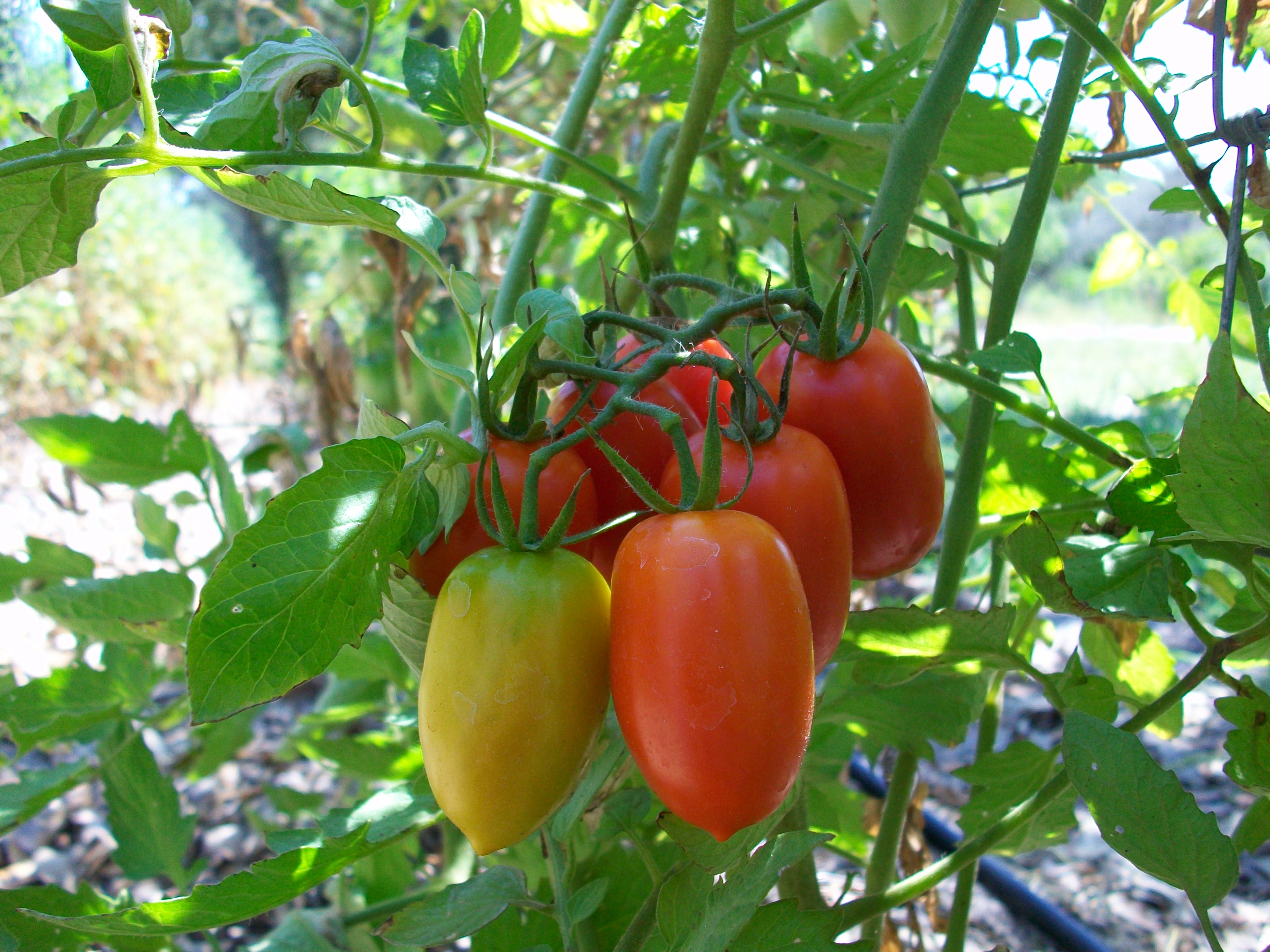
Usually, by late July, there is not a garden tomato within 100 miles of Rockport.  Sometimes, however, we are lucky.  These last few days of rain and cool nights helped coax another batch of beautiful tomatoes from our garden.   

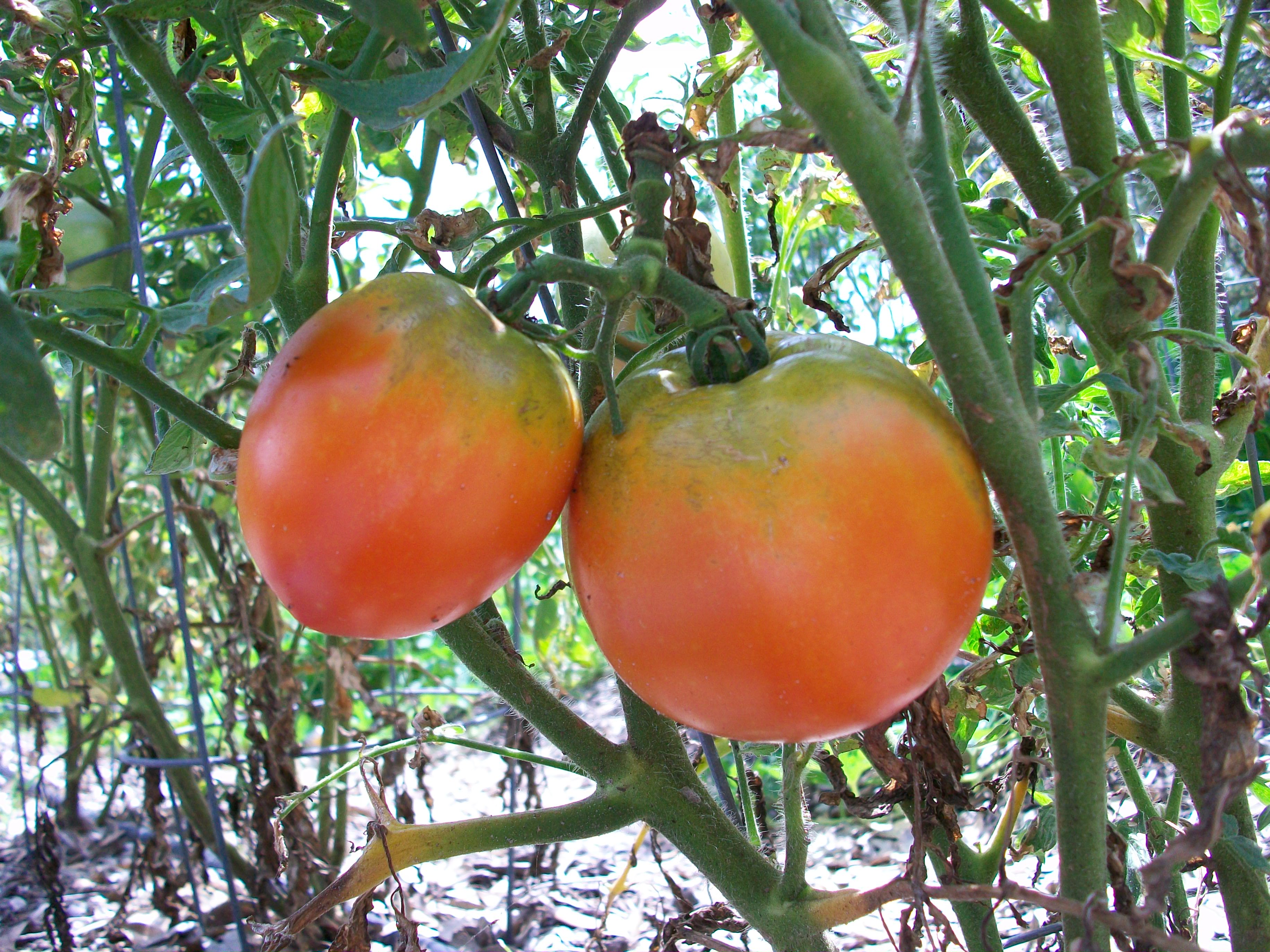
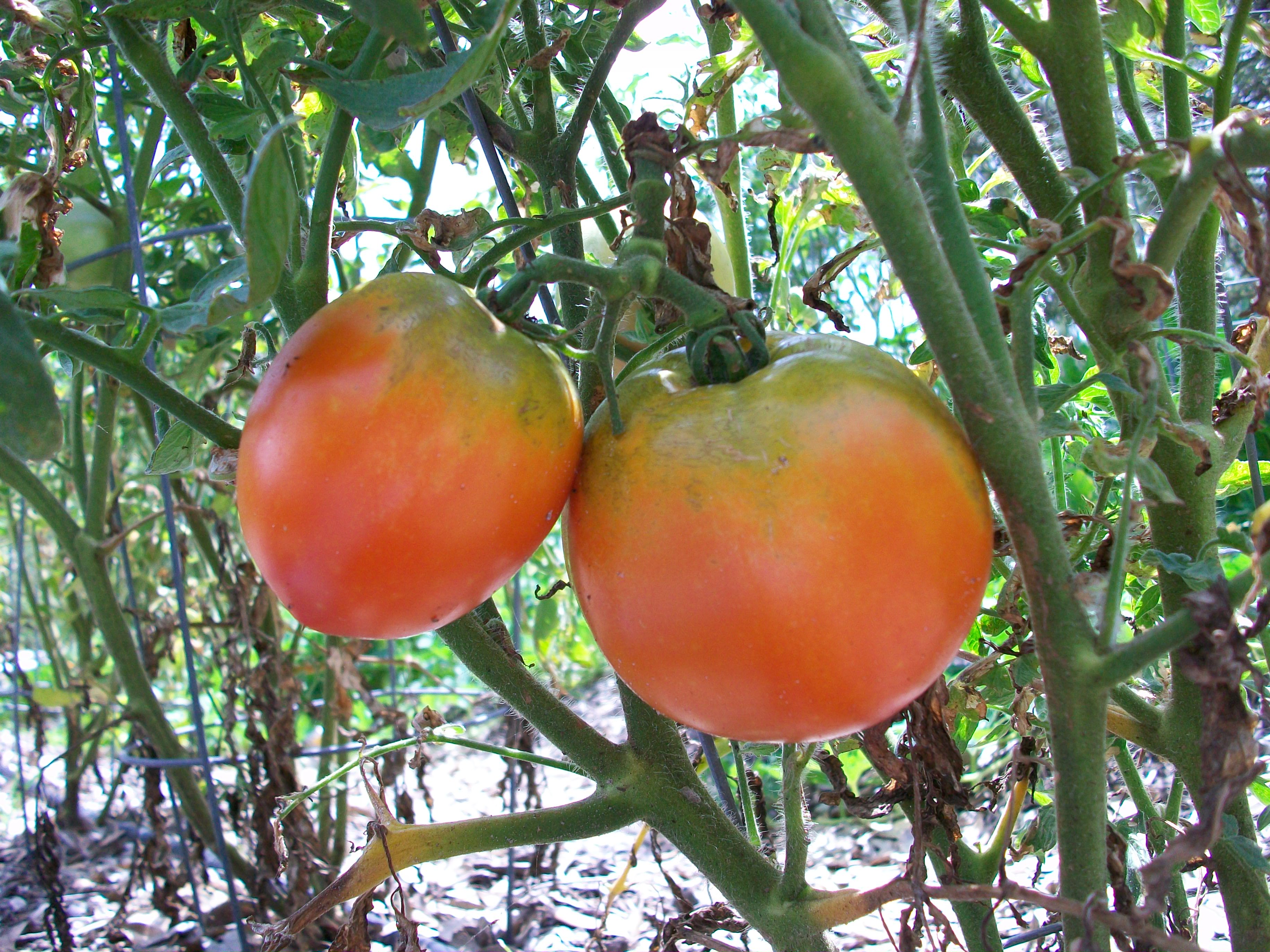
Heirloom Tomatoes, Four String Farm

So, finally, we can have our tourists and our tomatoes too.  But call now to place your order–they will go fast. 

And if you miss this last wave of summer tomatoes, don’t worry.  Our fall tomato plants are already in the ground.  But you will have to wait until September to enjoy them, when the nights cool down enough for the little yellow flowers to bloom.   

We are approaching the dog days of summer and the top of the curve.  Get your tomatoes while you can.  The autumn window for good tomatoes will open in about 50 days, 49, 48, 47… 

To place an order, go to fourstringfarm.com.

A Tax on the Love Apple

The tomato is a fruit, not a vegetable.  But we are taught from childhood to call it a vegetable.  Why?  Because it’s the law!  Don’t believe it?  Read on.

A Tomato among Chests of Gold

The tomato is native to the mountains of Peru.  The Incas were the first society to cultivate tomatoes, more than a thousand years ago.  They had it to themselves, because for most of human history tomatoes did not exist outside of South America.

The Incas traded their tomatoes with tribes to the north.  Eventually, tomatoes reached the mighty Aztecs of Central Mexico.  The Aztecs eagerly adopted the tomato and pushed it further north.

The first European ever to taste a tomato was Cortes, in 1519, while he was destroying the Aztec Empire.  Cortez was delighted with the tomato and sent a plant back to the king of Spain.

That hardy little plant introduced the tomato to the Old World.  Of all the Aztec gold in the bottom of Spanish ships, the tomato was the most enduring treasure.

Wolf Peach or Love Apple?

The tomato quickly grew in popularity.  It was carried along the Spice Route to the Middle East and Asia.  By the late 1700’s, tomatoes were used in cooking throughout the world; everywhere, that is, except America.

Ironically, back in the English Colonies of North America, tomatoes were thought to be highly poisonous.  Thanks to Indian farmers, tomato plants literally grew wild.  However, colonists cleared the dreaded tomato from their fields before they planted crops.  They believed a tomato, if consumed, would bring rapid agonizing death.  This fear inspired colonists to call the tomato a wolf peach.   

We think of Italians as the early innovators of tomato sauce; not so.  The Incas and Aztecs brewed tomato sauce (with peppers and spices) some 500 years before the Italians.  Italy received tomatoes from Spain, thanks to Cortez.

The French also took the tomato from Spain.  The French believed tomatoes were a red juicy aphrodisiac.  They called them “love apples” and instantly fused the tomato into their cooking.  The French, who need no excuse, will use any excuse.

A French Breakfast

The French served tomatoes for breakfast, to set a tone of passion for the day.  That is why, to this day, a French breakfast is bacon, croissant, and tomato. 

This amorous linkage caused the British to suppress the tomato.  The perennially uptight British would not take any excuse for passion, especially at breakfast.  Besides, England and France had been at war too long for the British to take a love apple.

Jefferson in Paris

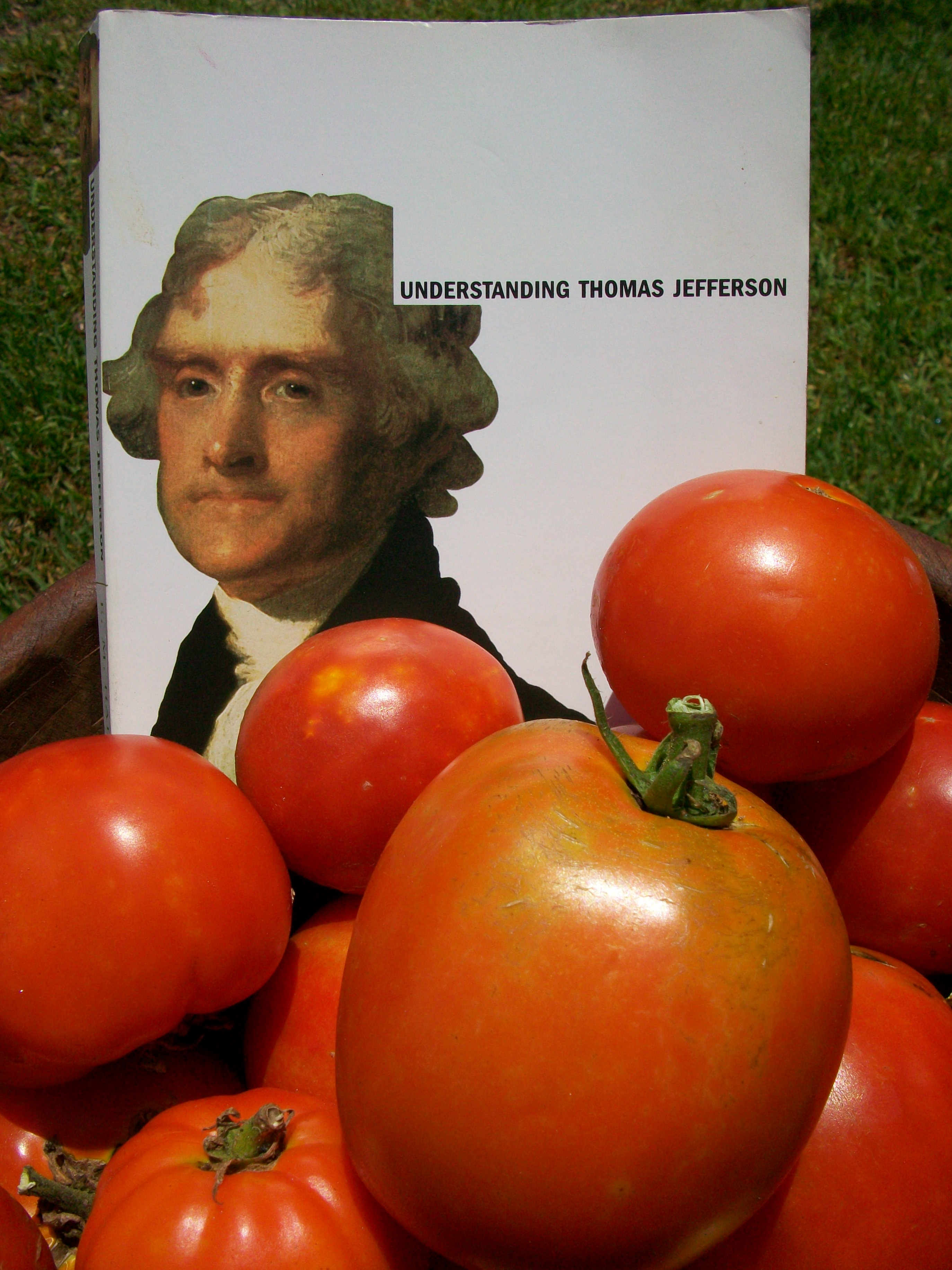
In the 1780’s, Thomas Jefferson was the American Ambassador to France.  He was amazed to discover in Paris that tomatoes were not poisonous at all.

Jefferson loved France and all things French.  And he absolutely hated the British.  What better way to honor the French, snub the British, and serve the American people, than to bring home the tomato?  So, he re-introduced the tomato to America.

Jefferson was a statesman, philosopher, and scientist.  He was also one of the great farmers in American history.  He planted tomatoes in his Monticello garden and mailed seeds to leading farmers across the United States.  He promoted the tomato in America for the rest of his life.

What Cortez took away, Jefferson brought home.

The President offers a Love Apple

When Jefferson became president, he routinely served tomatoes in the White House.  Americans at the table would marvel as the president consumed huge quantities of wolf peaches, and lived.

Jefferson loved to tweak the British Ambassador; his rudeness to the ambassador was legendary.  At the first state dinner for the British Ambassador, Jefferson answered the door in his pajamas!

At dinner, Jefferson offered the ambassador’s wife a big, delicious love apple.  And when she refused, he spoke at length about the sumptuous, voluptuous import from France!

The ambassador wrote bitter complaining letters to King George about Jefferson.  He simply couldn’t get over the bathrobe and the love apple.  The outrage!  The scandal!  The Ambassador was eventually recalled.  How can a simple farmer not appreciate Thomas Jefferson?

The Tomato on Trial!

Thanks largely to Jefferson’s private marketing campaign, tomatoes became very popular in the US.   By the 1880’s, demand far outpaced US production, and tomato imports steadily increased.  Ketchup and tomato soup (new foods to America) were becoming popular.  Tomato sales soared.

In the Tariff Act of 1883, Congress dramatically increased taxes on imported vegetables.  President Chester Arthur supported these taxes to protect American business from foreign competition.  However, due to special interest lobbyists, fruit was not taxed at all.

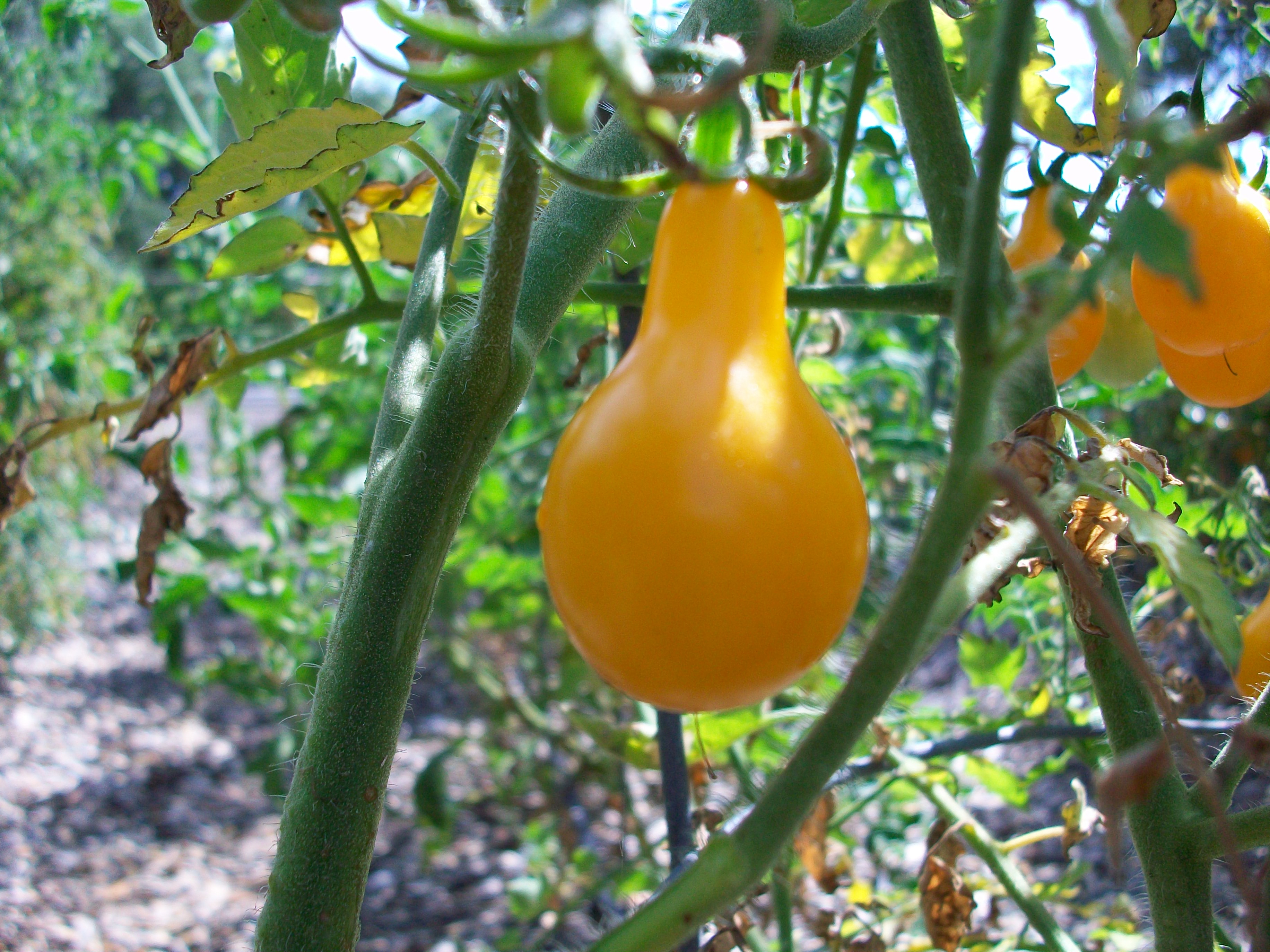
Roma Grape Tomatoes, Four String Farm

A tomato importer named John Nix classified his tomatoes as “fruit”, the appropriate botanical classification, to avoid the tax.  The government insisted on collecting the tax anyway.  Nix sued.  The case went all the way to the Supreme Court.

Believe it or not, the Court ruled that even though the tomato is in fact a fruit, for purposes of the tax it should be considered a vegetable!  Goodbye love apple, hello tomato tax.

That Supreme Court ruling is the reason we call the tomato a vegetable.  It is the law of the land!

Rockport Love Apples

The good news is that Chester Arthur’s tomato tax is history.  However, Jefferson’s tomato is not.

You may call them love apples.  You may even call them wolf peaches.  You only need to call Four String Farm to have them delivered.  Honor your tomato tax freedom and order a tomato today!

Go to fourstringfarm.com to make an order.

The Three Sisters

Tres Hermanas means “the three sisters”.  The sisters are corn, beans, and squash.

Three sisters gardening is a method of companion planting developed by Native American Indians more than 1,000 years ago.  The method was once, and is now again, a secret.  But the secret should be told, because the sisters are a beautiful gift.

Three Sisters in the Garden:

Three Sisters, early growth

Long ago, Indians learned to clear a patch of ground and mound the dirt into rows.  They planted seeds of corn, beans, and squash in the center of each mound.

As they grew, the beans climbed up the corn stalk while the squash covered the soil as living green mulch.   The beauty of the garden is the simplicity, the density, the ease of maintenance.  Primitive farmers must have such a garden.

Three Sisters as an Organic Method:

Tres Hermanas is an ingenious method of planting.  Beans are a nitrogen fixer; they convert CO2 to nitrogen in the soil.  Simply by growing, the beans fertilize the corn and squash.  The corn provides a trellis for the beans and the squash prevents weeds and regulates soil temperature and moisture.

The root structures do not compete and the plants do not crowd one other.  They strengthen and support each other.

Their compatibility maximizes the impact of organic farming methods.  Native Americans grew a tremendous amount of food on these small patches of ground without any synthetic pesticides or fertilizers for more than 1,000 years.  The Indians survived on these gardens.

Three Sisters in the Body:

Corn is rich in carbohydrates; beans are packed with protein; squash contains large doses of vitamin A and other nutrients.  The three together provide a balanced and nutritious meal.

What’s more, corn, beans, and squash are intended by nature to be eaten together.  Certain vitamin, mineral, and amino compounds in these vegetables are unlocked or enhanced only when eaten together.  The sisters continue to give their gifts, even in the body.

Three Sisters in American History:

Native Americans invented, or innovated, this method of companion planting while Europeans were still in the Dark Age.  Much Indian lore and mythology rose around the sisters.  But I am not so interested in lore.  I care about growing delicious food.

The European settlers in early America cared a great deal about growing food.  The autumn harvest could offer another season of life; or a slow painful death of starvation in the wilds.

Each Thanksgiving, we celebrate the story of Indians providing food to the Pilgrims to nourish them through the winter.  The food the Indians gave was corn, beans, and squash.

However, the real gift, the profound life-saving gift, that Indians shared with the settlers was the secret of the three sisters.  Companion planting enabled pioneer settlements, from Jamestown to Plymouth Rock, to vastly increase their food production.  Tres Hermanas is the untold story of Thanksgiving.

Three Sisters Lost in America:

Four String Wasp, killing caterpillar

Pioneers brought companion planting west (where it had actually existed for a millennium) as they settled the land.  Tres Hermanas was cultivated in America well into the 1900’s.  However, we lost the three sisters when agriculture became ‘agribusiness’.

Why did we lose it?  Machine harvesting is impossible with companion planting.  No combine was ever invented that can separate the sisters.  Also, the sisters ripen over a long period.  While this deliberate ripening process was essential to the survival of Indians and pioneers, it is a cardinal sin in modern agriculture.  In agribusiness, a crop must be efficiently reaped in hours, or minutes.

Further, the sisters must be planted among trees.  Grasshoppers and caterpillars can quickly devastate the harvest.  The birds and wasps that naturally control these pests must have a sanctuary of trees from which to hunt.  Try to find a tree on a conventional farm.

Your Four String farmer has more than 30 popular books on organic farming stacked on the bookshelf.  However, not one book provides any of the details around Tres Hermanas companion planting that you have just read.  The secret of the sisters has been lost.

Three Sisters in Rockport:

Four String Farm, pick of the day

The three sisters still exist, however, here in town, on a patch of ground cleared among the trees.  The sisters provide nourishment to my family every day.

Tres Hermanas can nourish your family as well.  The gifts of the sisters are meant to be shared.

We deliver farm fresh food to your door in Rockport (minimum $20 order).  Or, look for us at the Rockport Farmer’s Market.  Or come out to the farm and feel the sun and stand in the soil where the sisters offer their gift.

Wild at Heart Grape Jelly

The mustang grapes sprang from the earth wild.

A tiny seed leaf sprouted at the base of a tree.  It stretched into a slender vine and clawed up the tree and divided and wrapped around every branch to the top and reached across to the next tree until a stand of oaks strained to lift a forest of wild grapes.

Old trees that defied drought and storm and flood buckled beneath the grapes.  At night a tremendous branch would snap under pressure of vines and echo on the lake like a pistol-shot.  Sitting up in bed you would know these grapes are wild.

An animal planted the seed.  A bird or coon or other friend of the farm brought grapes from elsewhere to enjoy here, in the shade.  It sat in the tree above that spot and dropped a single seed and the sowing was wild.

These grapes always had music.  The herons choked a rusty-throated song all day over the grapes.  Cardinals and cooing doves slipped among the branches beneath screeching steel-jawed hawks, and each their layered song into the vines.

At night a symphony pulsed from the shadows:  frogs and coyotes and crickets and owls and every bug-eyed insect in the forest lifted their song up to the grapes and the bright stars beyond.  In all the long hot nights, the music was wild.

I delayed the harvest many times.  I knew I must cut down the vines to save the trees.  However, as the canopy of green clusters turned purple, thousands of grape skins and seeds littered the ground.  So, I first let every musician of the forest take their pay in grapes.  This food is for the wild at heart.

Finally, I could wait no longer.  A storm rose in the gulf and I had to take the grapes or lose them.  Your gentle and wild at heart farmer climbed the trees in the rising wind and let down the vines.  I brought them home to render jelly while lightning flashed on the windows.

Wild at Heart Grape Jelly

Be conservative with this stuff.  It is purple and tart and sweet and bold.  It is very rich; a spoonful goes far.  It came from the earth wild; was cultivated wild; the harvesters are wild.  The music in the jar is wild.

All good souls are welcome but this is food for the wild at heart.


 Go to fourstringfarm.com under “Recipes” to find out how to make jelly from wild mustang grapes.

Empty Nest Syndrome

Great Blue Heron Leaping from Branch (photo by John Martell)

The last heron chicks are gone.

They had spent many long days peering over the edge of their nests at the lake, the fields of salt grass, the sparkling gulf shore, the far horizon.  They stepped into the wind knowing how to fly.

They could not fly well; not at first.  They fluttered across the tops of trees until they adjusted their wings to fit.  The comedy landings became more poised.

A few days ago, the last chicks learned to hunt along the edge of the lake.  They stood silent for minutes or hours, a single file of gray silhouettes that occasionally broke the water with a fish in the long beak, swallowed whole.  Now they could fly, land, feed themselves.

So they left, as all who can fly must leave at least once on their new wings.  I have a few tokens of their time here:

The empty nests at the top of the tallest oaks, waving in the wind, holding together until the re-building time.  The pale blue half-shell remnants of heron eggs in the grass beneath the nests.

The potent white residue of blended frog, fish, and field mouse–the mother’s milk of herons.  The beautiful long bluish feathers on the ground.

The silence that follows the raucous rusty-throated chatter of herons learning to speak.  The last chicks leaping from branches and fading into specks in the deep blue sky.

My friends ask, How are the great blue herons?  I say for now they are gone up north.  Not north as a direction, but as a wonderful place in the summer.

It is wonderful, because I know they will return.